







Market Summary
According to our Growth Market Report, the global organic food and beverages market size reached USD 247.9 billion in 2024, reflecting a robust demand trajectory. The market is experiencing a steady compound annual growth rate (CAGR) of 10.2% from 2025 to 2033. By the end of this forecast period, the global organic food and beverages market is projected to attain USD 594.6 billion. This remarkable growth is primarily driven by the increasing consumer awareness regarding health and wellness, coupled with a growing preference for chemical-free, environmentally sustainable food and beverage options.
Introduction: A Shift Beyond Nutrition
The global organic food and beverages market is no longer a niche segment reserved for health enthusiasts. It has evolved into a powerful movement that reflects changing consumer values, environmental awareness, and a desire for transparency in food systems. Today’s consumers are not just eating to survive—they are choosing foods that align with their ethics, health goals, and sustainability concerns.
What Defines Organic Food and Beverages?
Organic food and beverages are produced through methods that avoid synthetic fertilizers, pesticides, genetically modified organisms (GMOs), antibiotics, and growth hormones. Instead, they rely on natural processes, biodiversity, and ecological balance.
This approach not only preserves soil health but also ensures that food remains closer to its natural state. As a result, organic products are increasingly perceived as safer, cleaner, and more nutritious alternatives to conventional options.
Market Evolution: From Specialty Stores to Mainstream Shelves
A decade ago, organic products were mostly confined to specialty stores and premium outlets. Today, they dominate shelves in supermarkets, online platforms, and even convenience stores.
This transition has been fueled by:
- Rising consumer awareness about food safety
- Increased disposable income in emerging economies
- Expansion of organized retail and e-commerce
- Strong branding and marketing by organic producers
The market has shifted from being supply-driven to demand-driven, where consumer preferences dictate product innovation and availability.
Key Growth Drivers
- Health Consciousness and Lifestyle Changes
Modern lifestyles have led to a surge in lifestyle-related diseases such as obesity, diabetes, and cardiovascular conditions. Consumers are turning to organic food as a preventive measure, believing it to be free from harmful chemicals and additives.
- Environmental Sustainability
Organic farming practices promote soil fertility, reduce pollution, and conserve water. As climate change becomes a global concern, environmentally conscious consumers are increasingly supporting organic agriculture.
- Transparency and Traceability
Consumers today want to know where their food comes from. Organic labels, certifications, and traceability systems provide a sense of trust and authenticity, which is crucial in a market often plagued by misinformation.
- Government Support and Regulations
Many governments are encouraging organic farming through subsidies, certification programs, and awareness campaigns. These initiatives are helping farmers transition from conventional to organic practices, thereby boosting supply.
Market Segmentation: A Diverse Landscape
By Product Type
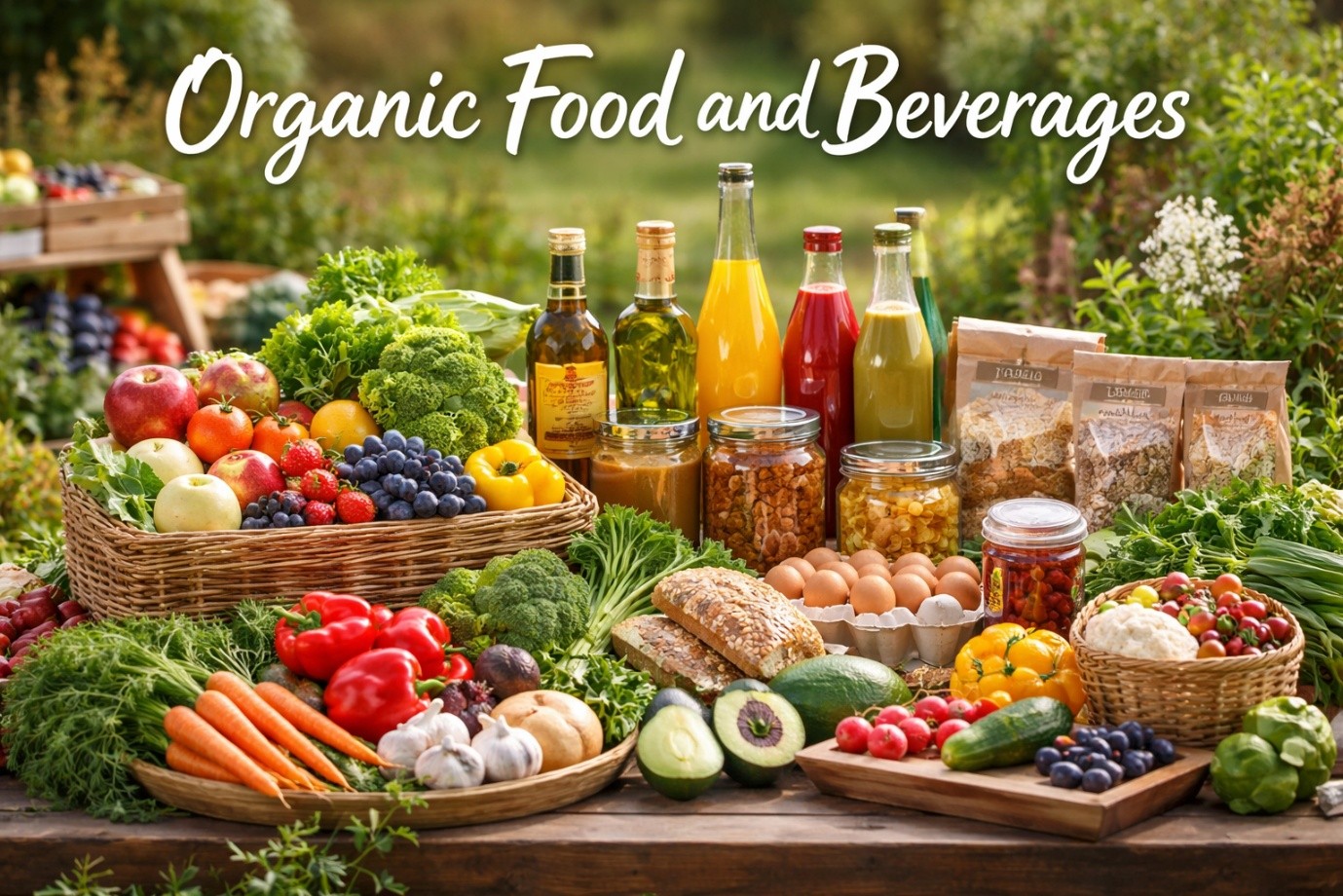
- Organic Food: Fruits, vegetables, dairy products, meat, grains, and snacks
- Organic Beverages: Juices, tea, coffee, plant-based drinks, and functional beverages
By Distribution Channel
- Supermarkets and hypermarkets
- Specialty stores
- Online retail platforms
- Direct-to-consumer channels
Each segment is witnessing rapid innovation, with brands introducing new flavors, formats, and packaging solutions to attract a broader audience.
Emerging Trends Shaping the Market
- Rise of Plant-Based Organic Products
The intersection of plant-based diets and organic certification is creating a new category of high-demand products. Consumers are increasingly opting for organic plant-based milk, meat alternatives, and protein sources.
- Functional Organic Beverages
Organic beverages are no longer just about hydration. They now include functional benefits such as immunity boosting, stress relief, and digestive health, making them highly appealing to health-conscious consumers.
- Clean Label Movement
The demand for “clean label” products—those with minimal and recognizable ingredients—is driving innovation in the organic sector. Consumers prefer products that are simple, transparent, and free from artificial additives.
- Digital Transformation in Retail
E-commerce platforms are playing a crucial role in expanding the reach of organic products. Personalized recommendations, subscription models, and direct farm-to-consumer delivery systems are reshaping how organic goods are purchased.
Challenges in the Organic Market
Despite its growth, the organic food and beverages market faces several challenges:
- High Production Costs: Organic farming requires more labor and time, leading to higher prices
- Limited Shelf Life: Absence of preservatives reduces product longevity
- Certification Complexity: Obtaining organic certification can be time-consuming and expensive
- Supply Chain Constraints: Maintaining product integrity from farm to shelf is challenging
Addressing these issues is essential for sustaining long-term growth and expanding market reach.
Competitive Landscape
- General Mills, Inc.
- Hain Celestial Group, Inc.
- Danone S.A.
- Nestlé S.A.
- The Kroger Co.
- Organic Valley (Cropp Cooperative)
- Amy’s Kitchen, Inc.
- Eden Foods, Inc.
- SunOpta Inc.
- United Natural Foods, Inc. (UNFI)
- Whole Foods Market (Amazon.com, Inc.)
- Nature’s Path Foods, Inc.
- Dean Foods Company
- Arla Foods amba
- The J.M. Smucker Company
- Clif Bar & Company
- Earth’s Best (Hain Celestial Group)
- Newman’s Own, Inc.
- Green & Black’s (Mondelez International)
- Dole Food Company, Inc.
Future Outlook: A Market with Purpose
According to our Growth Market Report, The organic food and beverages market is poised for continued expansion, driven by a global shift toward healthier and more sustainable living. As technology integrates with agriculture and supply chains, the market will become more efficient, transparent, and accessible.
In the future, organic products may not be seen as premium alternatives but as standard choices for everyday consumption. This transition will mark a significant milestone in the global food industry.