







Market Summary
According to latest research by Growth Market Reports, the global Spirulina Pasta market size reached USD 193 million in 2025, demonstrating robust expansion driven by increasing consumer demand for nutrient-rich and sustainable food alternatives. The market is expected to achieve a value of USD 470 million by 2034, reflecting a compelling CAGR of 10.3% over the forecast period 2026-2034. Key growth factors include rising awareness of spirulina’s health benefits, growing adoption of plant-based diets, and the food industry’s focus on functional ingredients that deliver both nutrition and innovation in taste and appearance.
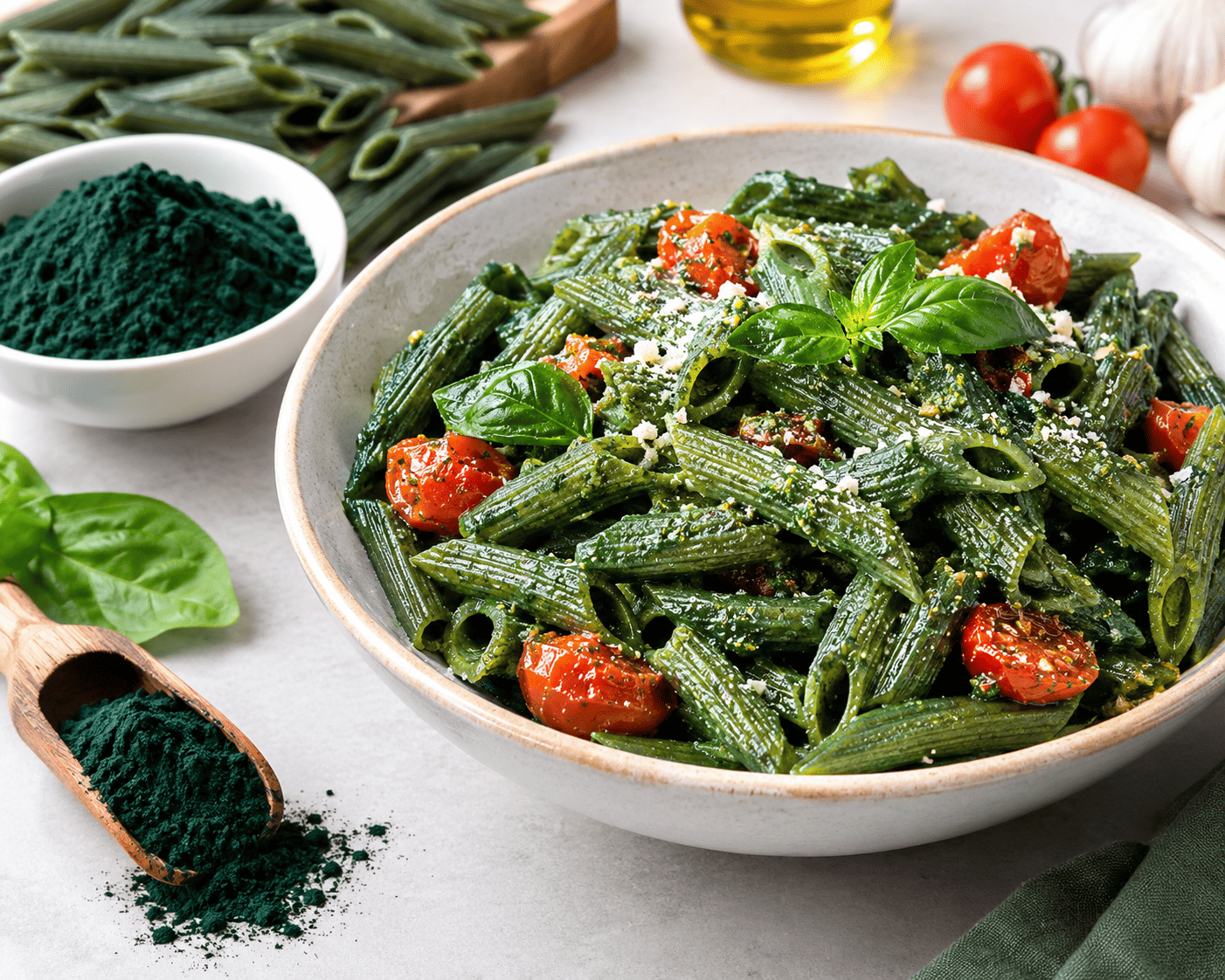
The spirulina pasta market is gaining attention as consumers increasingly explore nutritious, plant-based, and innovative food products. Spirulina, a nutrient-rich blue-green microalga, is widely recognized for its protein content, vitamins, minerals, and naturally occurring pigments. When incorporated into pasta, it offers an alternative to conventional wheat-based products while introducing distinctive color and nutritional characteristics. Growing interest in functional foods, sustainable ingredients, and healthier eating habits is creating new opportunities for spirulina-enriched pasta across retail and food service channels.
Key Drivers
Rising Demand for Nutrient-Rich Foods
Increasing awareness of nutritional quality is encouraging consumers to examine the ingredients used in everyday foods. Pasta remains a popular staple because of its convenience, versatility, and ease of preparation. Spirulina pasta combines these familiar qualities with the appeal of an algae-based ingredient. Consumers seeking plant-derived protein and nutrient-dense food options may consider it an attractive addition to their diets. This trend is encouraging manufacturers to explore alternative pasta formulations that balance nutritional value with taste, texture, and cooking performance.
Expansion of Plant-Based and Functional Food Categories
The broader movement toward plant-based eating is supporting experimentation with unconventional ingredients. Spirulina is increasingly relevant to product developers looking to diversify plant-based food portfolios. Its potential use in functional food formulations allows manufacturers to differentiate their offerings beyond traditional pasta varieties. Specialty grocery stores, health food retailers, and online marketplaces can help introduce these products to consumers interested in ingredient transparency, dietary variety, and innovative food experiences.
Major Challenges
Taste, Texture, and Consumer Acceptance
Despite its nutritional appeal, spirulina pasta faces challenges related to flavor, appearance, and texture. Spirulina can introduce an earthy or marine-like taste that may not suit every consumer. Its distinctive green or blue-green color can also influence purchasing decisions, particularly among shoppers accustomed to conventional pasta. Manufacturers must develop formulations that maintain desirable texture and cooking stability while moderating strong flavors. Product sampling, recipe education, and clear packaging communication can help consumers better understand how to incorporate spirulina pasta into familiar meals.
Ingredient Costs and Quality Consistency
The production of spirulina pasta depends on a reliable supply of food-grade spirulina with consistent quality. Cultivation conditions, harvesting methods, processing requirements, and quality-control procedures can influence ingredient characteristics and production costs. Manufacturers must also consider food safety, contamination prevention, storage stability, and applicable labeling requirements. These factors can create operational challenges, especially for smaller producers seeking to compete with established pasta brands on price and availability.
Emerging Opportunities
Product Innovation and Dietary Diversification
Product development represents an important opportunity for market participants. Manufacturers can explore gluten-free formulations, whole-grain blends, legume-based pasta, and spirulina combinations with complementary plant ingredients. Different pasta shapes, convenient cooking formats, and portion-controlled packaging may also appeal to diverse consumer groups. Developing products for specific culinary applications, including salads, soups, and quick meals, can expand usage occasions and encourage repeat purchases.
E-Commerce and Premium Food Retail
Digital commerce offers emerging brands a way to reach consumers without depending exclusively on traditional supermarket distribution. Online product descriptions, ingredient information, preparation guidance, and customer feedback can help explain the benefits and limitations of spirulina pasta. Premium food stores and specialty retailers can further support awareness through curated product selections. Collaborations with chefs, food creators, and recipe platforms may also help introduce the ingredient to consumers who are unfamiliar with algae-based foods.
Technological Advancements and Market Trends
Improved Processing and Formulation Techniques
Advancements in food processing are creating opportunities to improve the consistency and usability of spirulina pasta. Better ingredient dispersion, controlled drying, and optimized extrusion processes may help manufacturers achieve more uniform color, texture, and cooking behavior. Research into flavor management and ingredient stability can also support product refinement. Maintaining nutritional characteristics while delivering a familiar eating experience will remain an important consideration in commercial development.
Sustainability and Ingredient Transparency
Sustainability is becoming an important consideration in food innovation. Spirulina cultivation can offer advantages in land-use efficiency under suitable production conditions, although environmental outcomes depend on energy consumption, water management, processing, and cultivation methods. Consumers and retailers may increasingly evaluate sourcing practices and production transparency when assessing algae-based foods. Clear ingredient labeling and credible sustainability information can help brands communicate their positioning responsibly.
Competitive Landscape
Barilla G. e R. Fratelli S.p.A.
Pasta Natura Srl
Garonzi Srl
Pasta Zara S.p.A.
Pasta Lensi
GEO Farm Srl
Nutrex Hawaii Inc.
Earthrise Nutritionals LLC
Algama Foods
NOW Foods
Future Outlook
The future outlook for the spirulina pasta market remains promising, supported by growing consumer interest in plant-based nutrition, functional foods, and innovative food ingredients. Manufacturers are expected to focus on improving taste, texture, nutritional quality, and product affordability to attract a broader consumer base. Expanding e-commerce platforms, specialty food retail, and collaborations with food service providers may further improve product accessibility and awareness. Advancements in spirulina cultivation, processing, and pasta formulation could also support consistent quality and efficient production.