







Market Summary
According to our Growth Market Report, The Indian kitchen appliances market size was valued at USD 5.10 Billion in 2022 and is projected to reach USD 11.54 Billion by 2031, expanding at a CAGR of 9.5% during the forecast period 2023 – 2031. The growth of the market is attributed to the growing urbanization, increasing disposable income, and rising demand for easy-to-operated kitchen appliances.
Introduction
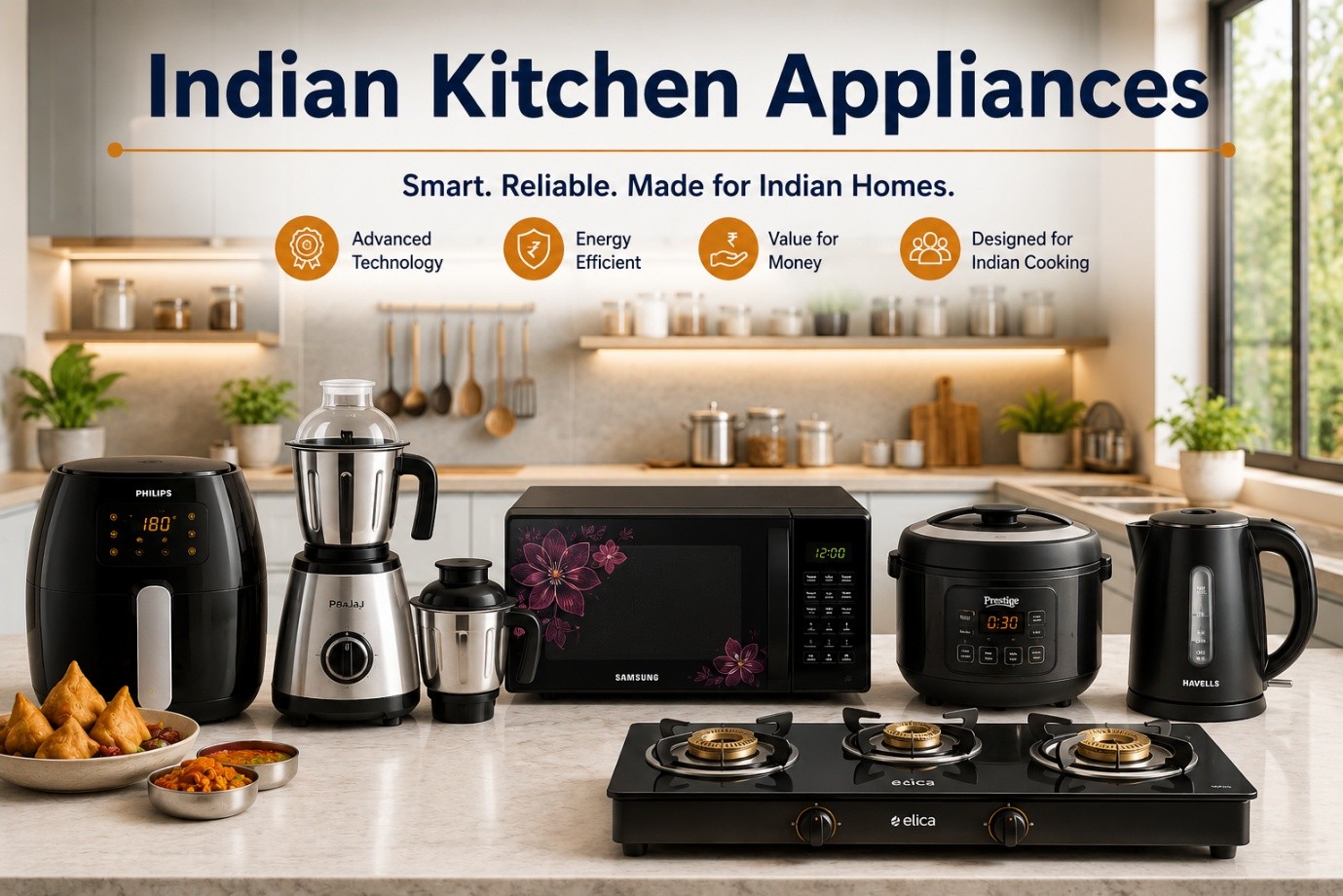
The Indian Kitchen Appliances Market is experiencing a remarkable transformation as households across the country embrace smarter, faster, and more energy-efficient cooking solutions. Kitchens, once considered simple cooking spaces, are now evolving into technology-enabled hubs where convenience, hygiene, and efficiency play a crucial role. Rising urbanization, changing lifestyles, increasing disposable income, and the growing influence of digital commerce have accelerated the adoption of modern kitchen appliances in both metropolitan cities and smaller towns.
Today’s Indian consumers are not merely purchasing appliances; they are investing in time-saving solutions that improve their quality of life. From smart refrigerators and induction cooktops to advanced food processors and air fryers, the market is witnessing unprecedented innovation.
What is Driving the Growth of the Indian Kitchen Appliances Market?
The rapid expansion of the market can be attributed to several interconnected factors. India’s growing middle-class population has developed a stronger preference for convenience-oriented products. Dual-income households are increasingly seeking appliances that simplify meal preparation and reduce manual effort.
The growing awareness of healthy cooking practices has also boosted demand for appliances such as air fryers, steam cookers, and nutrient-preserving blenders. Additionally, the rise of e-commerce platforms has made premium and technologically advanced appliances accessible to consumers across urban and rural regions.
Manufacturers are responding by introducing products specifically designed for Indian cooking habits, including appliances capable of handling spices, heavy-duty grinding, and diverse regional cuisines.
How Are Smart Technologies Changing Indian Kitchens?
Smart technology is becoming a defining feature of modern kitchen appliances. Internet-connected devices allow users to monitor and control appliances remotely through mobile applications. Refrigerators can track food inventory, microwaves can suggest cooking settings, and smart chimneys can automatically adjust suction levels based on cooking intensity.
Artificial intelligence is gradually entering Indian kitchens through predictive cooking technologies and personalized cooking assistance. These innovations not only enhance convenience but also improve energy efficiency and reduce food waste.
As smart home adoption increases in India, connected kitchen ecosystems are expected to become a significant growth segment within the market.
The Rise of Energy-Efficient Appliances
Energy conservation has become a key purchasing factor among Indian consumers. Rising electricity costs and environmental awareness are encouraging households to invest in appliances that consume less power while delivering superior performance.
Manufacturers are focusing on inverter technology, intelligent temperature control systems, and energy-efficient motors to meet consumer expectations. Appliances with high energy ratings are gaining popularity because they offer long-term cost savings and contribute to sustainability goals.
This shift reflects a broader consumer mindset that values both economic and environmental benefits.
Which Kitchen Appliances Are Witnessing the Highest Demand?
Refrigerators
Modern refrigerators remain among the most essential kitchen appliances in Indian households. Consumers increasingly prefer models with smart cooling systems, larger storage capacities, and energy-saving technologies.
Mixer Grinders
Mixer grinders continue to dominate the Indian kitchen appliance landscape due to their indispensable role in preparing traditional dishes. Manufacturers are introducing more powerful and durable variants capable of handling a wide range of ingredients.
Microwave Ovens
The growing demand for quick meal preparation has made microwave ovens a popular choice. Advanced features such as convection cooking and auto-cook menus designed for Indian recipes are attracting consumers.
Induction Cooktops
Induction cooking solutions are becoming increasingly popular because they offer faster cooking, enhanced safety, and improved energy efficiency compared to conventional cooking methods.
Air Fryers
Health-conscious consumers are driving significant demand for air fryers. These appliances allow users to prepare crispy foods with minimal oil, aligning with modern dietary preferences.
How Is E-Commerce Influencing Market Expansion?
Online retail has become a powerful growth catalyst for the Indian Kitchen Appliances Market. Consumers can now compare features, prices, reviews, and warranties before making purchasing decisions. This transparency has encouraged greater adoption of premium and technologically advanced products.
Festive sales, exclusive online discounts, easy financing options, and doorstep delivery have further accelerated appliance purchases. Even consumers in Tier-2 and Tier-3 cities now have access to a broad range of kitchen solutions that were previously available only in major urban centers.
The digital marketplace has effectively bridged geographical barriers and expanded the market’s reach.
What Challenges Does the Market Face?
Despite strong growth prospects, several challenges remain. Price sensitivity continues to influence purchasing decisions, especially in rural and semi-urban areas. Consumers often prioritize affordability over advanced features.
Additionally, fluctuations in raw material costs and supply chain disruptions can impact manufacturing expenses and product pricing. Educating consumers about the long-term benefits of energy-efficient and smart appliances also remains an ongoing challenge for industry participants.
Addressing these concerns will be critical for sustaining long-term market growth.
Emerging Trends Reshaping the Industry
Several transformative trends are expected to shape the future of India’s kitchen appliance sector:
Health-Focused Cooking Solutions
Consumers increasingly prefer appliances that support healthier cooking methods and preserve nutritional value.
Compact and Multi-Functional Designs
Urban living spaces are becoming smaller, increasing demand for appliances that combine multiple functions within compact designs.
Voice-Controlled Appliances
Integration with voice assistants is expected to become more common as smart home ecosystems gain popularity.
Sustainable Manufacturing
Manufacturers are investing in eco-friendly materials, recyclable packaging, and energy-efficient production processes to align with environmental objectives.
Customization for Regional Cooking
Appliances designed specifically for Indian cooking styles and regional cuisines are likely to gain a competitive advantage.