






Market Summary
According to latest research by Growth Market Reports, the global soup dumpling market size reached USD 6.8 billion in 2024, driven by a surge in consumer interest for ethnic and convenience foods. The market is poised to grow at a robust CAGR of 7.1% from 2025 to 2033. By the end of 2033, the market is forecasted to reach USD 12.7 billion, reflecting dynamic expansion across both traditional and emerging regions. The rapid globalization of culinary trends, coupled with increasing urbanization and evolving consumer preferences, stands out as a primary growth factor propelling the soup dumpling market forward.
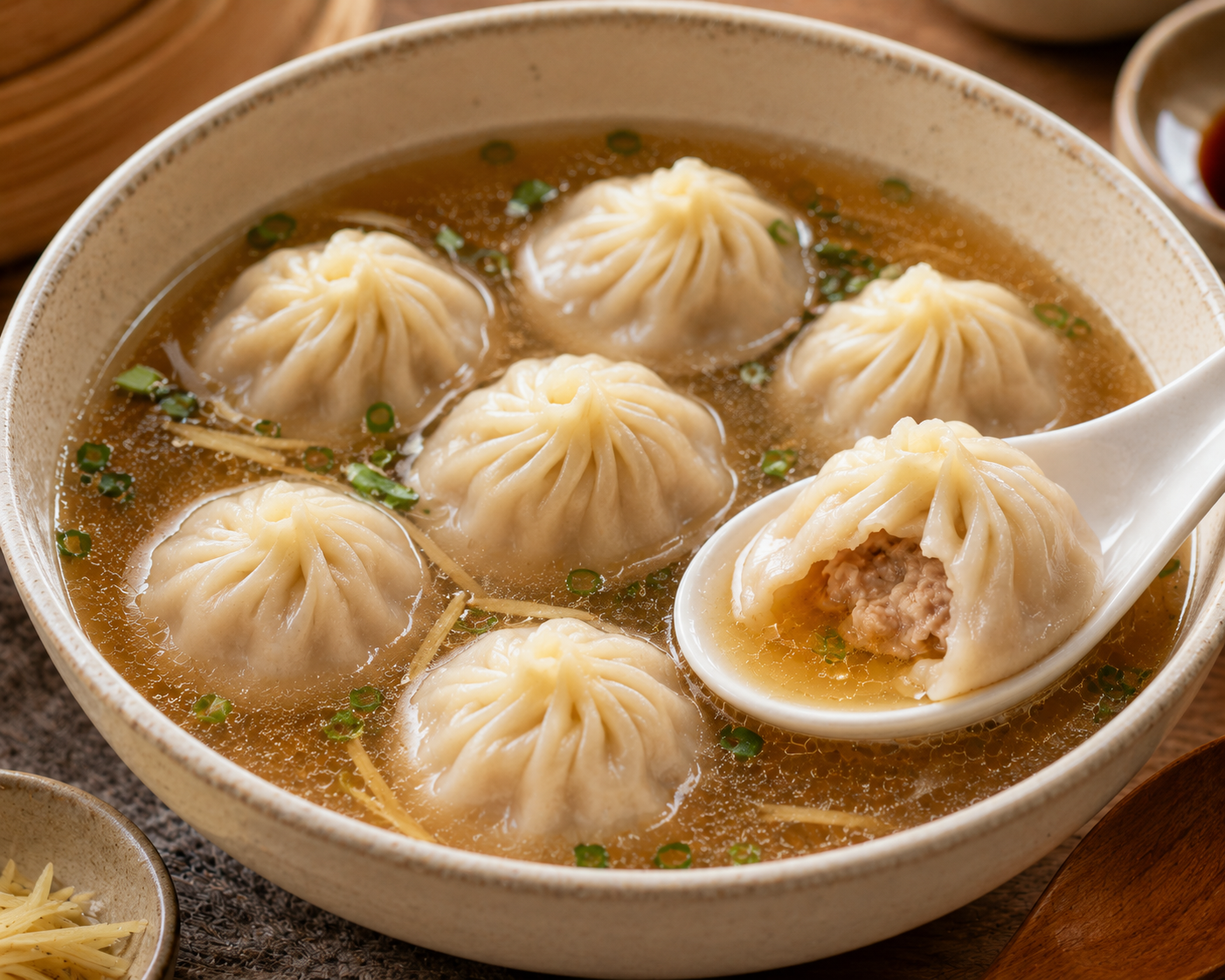
The global soup dumpling market has emerged as a fast-growing segment within the broader frozen and ready-to-eat food industry. Valued at approximately USD 6.8 billion in 2024, the market is experiencing strong momentum due to rising demand for ethnic cuisine, premium snack options, and convenient meal solutions. Soup dumplings, often associated with Asian culinary traditions, are increasingly being embraced by global consumers seeking authentic and flavorful food experiences.
Key Market Drivers
One of the primary drivers of the soup dumpling market is the growing popularity of Asian cuisine worldwide. Consumers in North America, Europe, and parts of the Middle East are increasingly exploring new flavors, and soup dumplings have become a standout product due to their unique texture and rich broth-filled center.
Another important factor is the rising demand for convenience foods. Busy lifestyles, especially among working professionals and students, have accelerated the shift toward ready-to-cook and frozen meals. Soup dumplings offer a quick yet gourmet-like experience, making them highly attractive in urban households.
Additionally, the expansion of food delivery platforms and cloud kitchens has significantly improved accessibility. Restaurants specializing in dumplings are now able to reach wider audiences without physical expansion, further fueling market growth.
Challenges
Despite strong growth, the market faces certain challenges. The delicate preparation process of soup dumplings requires skilled labor and precise cooking techniques, which can limit large-scale production. Additionally, maintaining authenticity while scaling frozen product distribution remains a technical hurdle for manufacturers.
Opportunities
One of the key opportunities lies in the expansion of frozen and ready-to-steam product lines, which allow manufacturers to reach wider international retail and e-commerce channels while preserving authenticity. Increasing consumer interest in plant-based and health-conscious diets also opens doors for innovative fillings such as vegan broths, low-fat proteins, and organic ingredients. Additionally, the rapid growth of food delivery platforms and cloud kitchens enables soup dumpling brands to scale quickly in urban markets without heavy investment in dine-in infrastructure.
Emerging Trends
A notable trend shaping the soup dumpling market is product innovation. Manufacturers are experimenting with new fillings such as chicken truffle, seafood blends, vegan alternatives, and fusion flavors that combine Western and Asian ingredients. This diversification is helping brands appeal to a broader consumer base, including health-conscious and plant-based eaters.
Another emerging trend is the premiumization of frozen foods. Consumers are increasingly willing to pay more for high-quality, restaurant-style dumplings that can be prepared at home. As a result, brands are focusing on improved packaging, authentic recipes, and better preservation techniques to maintain flavor and texture.
Competitive Landscape
Din Tai Fung
Ajinomoto Co., Inc.
CJ CheilJedang
Wei Chuan Foods Corporation
Synear Food Holdings Limited
General Mills (Annie Chun’s)
Haidilao International Holding Ltd.
Sanquan Food Co., Ltd.
Wang Family Kitchen
Prime Food Processing Corporation
Future Outlook
The soup dumpling market is expected to continue its upward trajectory, supported by innovation in food processing, expansion of global retail networks, and increasing consumer willingness to explore international cuisines. With advancements in freezing technology and packaging, product quality is improving, enabling wider global distribution without loss of authenticity.